
Window Tinting Dubai
A practical starting point for window tinting dubai.
It is hard to compare scope, fit, and next steps without a clear guide.
This page outlines how to evaluate options and move forward with confidence.
Key Benefits of Professional Window Tinting
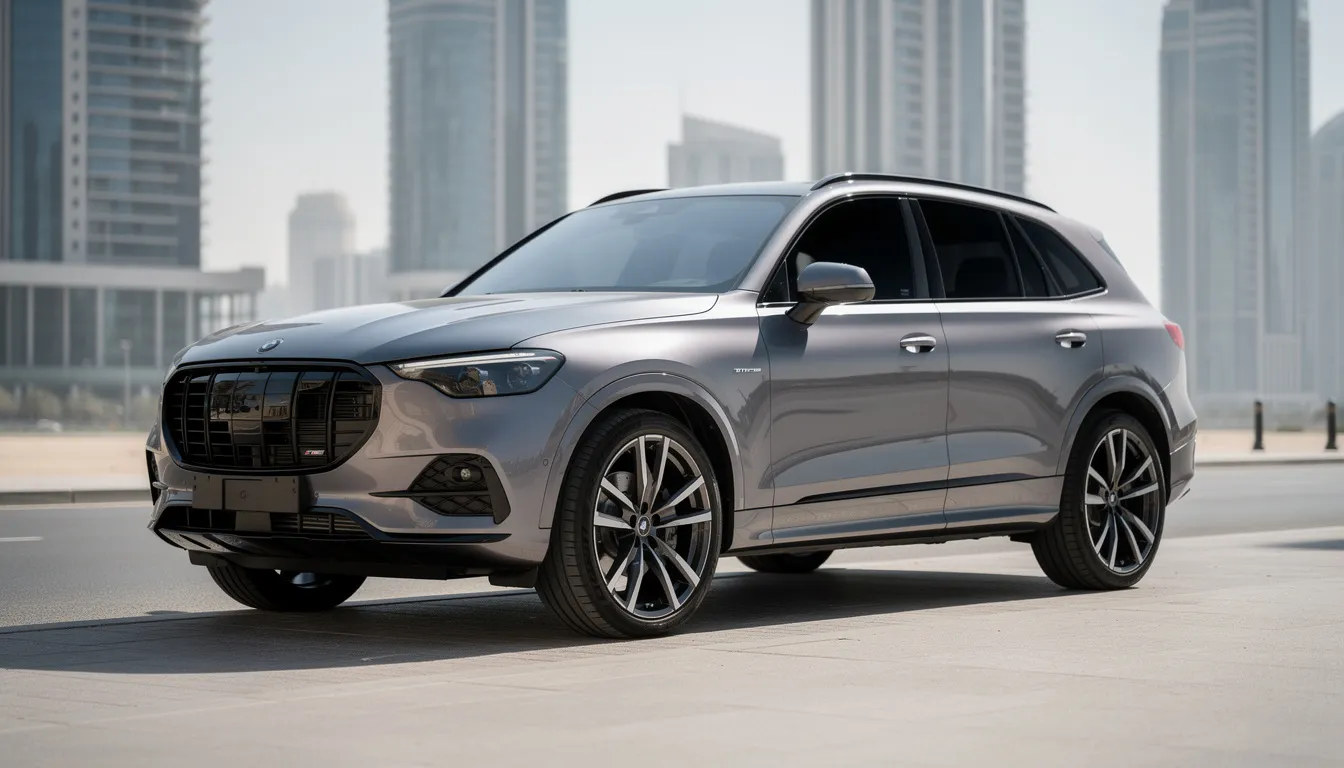
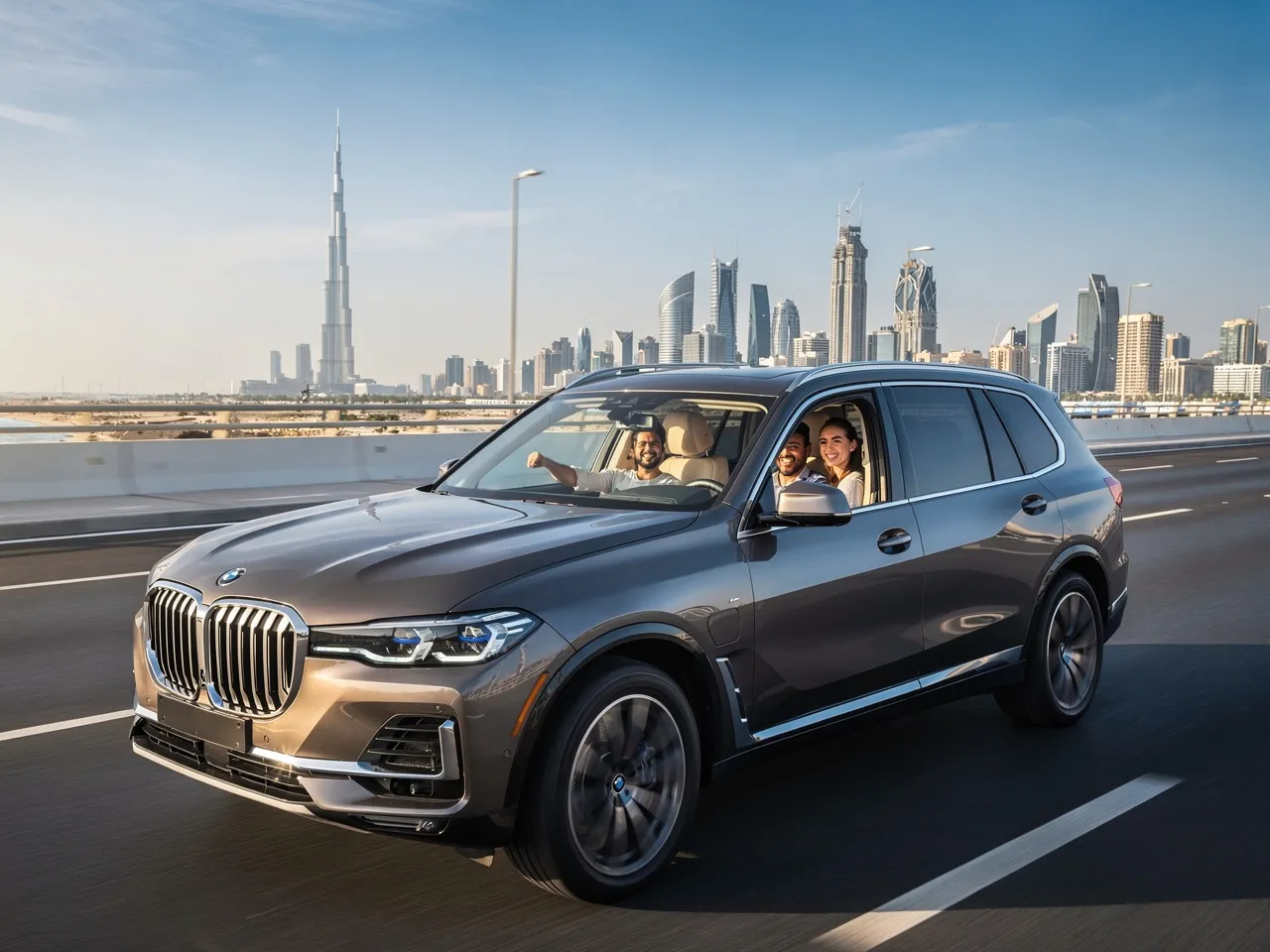
Dubai's climate is one of the most demanding on the planet for vehicle owners. Cabin temperatures can spike to dangerous levels within minutes of parking in direct sun, and prolonged UV exposure quietly degrades dashboards, leather seats, and door panels long before most drivers notice. Choosing professional window tinting dubai is one of the most practical investments you can make to protect both your comfort and your vehicle's interior value.
- Significant heat reduction: High-performance tint films block a substantial portion of solar energy before it enters the cabin, meaning your air conditioning works less hard and fuel consumption drops during the hottest months.
- UV ray protection: Quality automotive films filter out harmful ultraviolet radiation that causes skin damage on long drives and accelerates fading and cracking of upholstery, plastics, and trim.
- Glare control: Reduced glare from the sun and oncoming headlights at night makes driving noticeably safer and less fatiguing, particularly on UAE highways where light intensity is extreme.
- Privacy and security: Darker tint shades make it harder for opportunistic thieves to see valuables left inside the vehicle, adding a passive layer of deterrence without any extra effort from the driver.
- Interior preservation: By limiting heat and UV penetration, tint films slow the deterioration of dashboards, door panels, and seats — complementing other protective services such as Paint Protection Film (PPF) installation and Automotive upholstery and seat restoration.
- Versatile protection across applications: The same film technology that protects car glass extends to Smart glass and switchable glass installation for offices and homes, giving you consistent solar control across every environment where you spend time.
We treat vehicle protection as a craft — precision installation, premium films, and finishes that transform and safeguard. That philosophy applies equally whether the job involves a single side window or a full fleet of vehicles, ensuring every installation meets a consistent standard of quality and durability.
Premium Window Tint Films We Install in the UAE
Choosing the right film is just as important as the installation itself. At Ferrari Works, we treat vehicle protection as a craft — precision installation, premium films, and finishes that transform and safeguard. Our team works with a curated selection of high-performance films suited to the intense solar conditions across the UAE, from Dubai's urban heat to coastal humidity.
Nano-Ceramic Films
Nano-ceramic technology is widely regarded as the top tier for automotive window tinting in hot climates. These films use microscopic ceramic particles to reject a significant portion of infrared heat without relying on metallic layers that can interfere with GPS, mobile signals, or dash-cam connectivity. The result is a cooler cabin, exceptional optical clarity, and strong UV-blocking performance — all without a dark, reflective appearance that can compromise visibility at night.
Carbon Window Films
Carbon films offer a matte, non-reflective finish that many drivers prefer for both aesthetics and performance. They provide reliable heat rejection and block harmful UV rays effectively, making them a practical mid-range option for everyday vehicles. Carbon films also resist fading over time, maintaining their colour and performance through years of direct sun exposure.
Dyed and Hybrid Films
For drivers prioritising privacy and glare reduction on a tighter budget, dyed films remain a functional entry-level choice. Hybrid films combine dyed and metallic layers to improve heat rejection beyond what standard dyed films achieve, while keeping costs moderate. Our team will walk you through the trade-offs of each option during your consultation so you select the film that genuinely matches your driving needs.
How Film Choice Connects to Your Full Vehicle Protection Plan
Many clients who come in for window tinting also explore Paint Protection Film (PPF) installation to shield their vehicle's exterior paintwork from stone chips, fine scratches, and UV degradation. Combining tinted glass with a PPF-protected body creates a comprehensive layer of defence for your vehicle — inside and out. Whether you are also considering Car vinyl wrapping, Automotive upholstery and seat restoration, Marine upholstery, Custom tent and tarpaulin manufacturing, or Smart glass and switchable glass installation, our team can advise on how each service complements the others for a cohesive result.
How Our Window Tinting Process Works
Getting professional automotive window tinting fitted correctly is a precise craft — rushed preparation or careless film handling leads to bubbles, peeling edges, and uneven coverage that no driver wants to live with. Here is exactly what to expect when you bring your vehicle to us in Dubai.
- Initial Consultation and Vehicle Assessment: A technician examines your windows, noting any existing chips, seal conditions, or curved glass that requires special handling. This is also the moment to discuss your goals — maximum heat rejection, privacy, glare control, or a combination of all three.
- Film Selection: Based on your vehicle type, daily driving habits, and budget, you choose from our range of performance films. We walk you through the visible light transmission percentages so you understand exactly how each option will look and perform before a single cut is made.
- Surface Preparation: Every window is thoroughly cleaned and decontaminated. Any residue, dust, or adhesive from previous films is removed completely. We treat vehicle protection as a craft — precision installation, premium films, and finishes that transform and safeguard. This preparation stage is what separates a lasting result from a short-lived one.
- Precision Film Cutting and Fitting: Films are cut to match each window's exact dimensions, either using digital templates or careful hand-trimming on the glass itself. Curved rear windows receive particular attention to avoid stress lines or finger creases in the film.
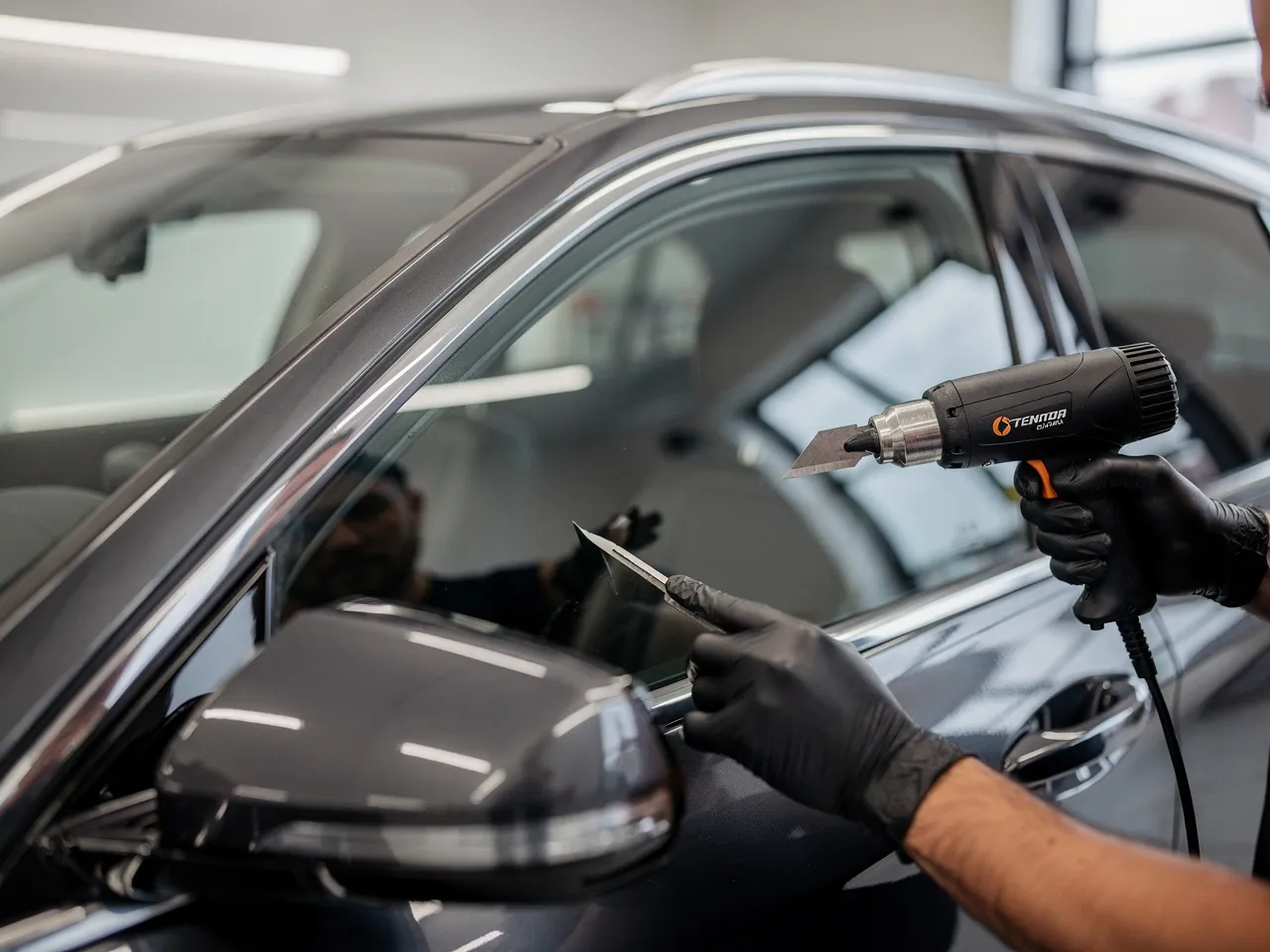
- Application: The film is applied using a slip solution that allows fine positioning adjustments before the adhesive sets. Squeegees and heat guns work out moisture and air pockets systematically, working from the centre outward on every panel.
- Curing Period Guidance: You will be advised on how long to keep windows closed — typically 48 to 72 hours — while the adhesive fully cures in Dubai's warm climate. Attempting to lower windows too soon is one of the most common causes of edge lifting.
- Final Inspection: Every window is checked under controlled lighting for bubbles, contaminants trapped beneath the film, and edge adhesion. Only once each panel passes this check is the vehicle handed back.
This same methodical approach applies across our other services, whether a client is booking Car vinyl wrapping, Paint Protection Film (PPF) installation, or any other vehicle protection work. Consistency in process is what produces consistent results — and it is why attention to each individual step matters more than speed.
Window Tinting Prices in Dubai
Automotive window tinting costs in Dubai vary based on three main factors: the type of film you choose, the size and model of your vehicle, and the number of windows being treated. A compact sedan will typically cost less to tint than a large SUV or a van with extended glass panels, simply because the total surface area differs significantly.
As a general guide, entry-level dyed or standard films sit at the lower end of the price range, while high-performance nano-ceramic films command a premium — and for good reason. Nano-ceramic films reject considerably more solar heat and maintain optical clarity over years of UAE sun exposure, making the higher upfront cost a worthwhile long-term investment for drivers in this climate.
Beyond the film grade itself, the complexity of your vehicle's window shapes can influence labour time. Curved rear windscreens and panoramic sunroofs require more precise cutting and fitting than flat side windows, which is reflected in a fair quote.
- Film grade: Standard, carbon, or nano-ceramic options each carry different price points.
- Vehicle size: Sedans, SUVs, and vans are priced differently due to glass surface area.
- Window count: Full-vehicle packages versus front-only or rear-only applications affect the total.
- Warranty coverage: Premium installations often include manufacturer-backed film warranties that add value beyond the installation day.
Rather than publishing a fixed price list that may not reflect your specific vehicle or chosen film, the most reliable approach is to request a personalised quote. Bring your car in for a quick assessment, discuss which film grade suits your heat-rejection and privacy goals, and receive a transparent breakdown before any work begins. This ensures you are comparing like for like — film quality, installation precision, and after-care — rather than simply chasing the lowest number.
We treat vehicle protection as a craft — precision installation, premium films, and finishes that transform and safeguard. That philosophy applies equally to how we price our work: clearly, honestly, and tailored to what your vehicle actually needs.
Does Window Tinting Reduce Visibility?
This is one of the most common questions drivers ask before booking an automotive window tinting appointment, and the honest answer is: it depends entirely on the tint level you choose. Modern high-performance films are engineered to manage light transmission precisely, so you can enjoy meaningful privacy and heat rejection without creating a dangerous blind spot behind the wheel.
Tint films are measured by their Visible Light Transmission (VLT) percentage — the higher the number, the more light passes through. A 70% VLT film, for example, is nearly clear to the eye yet still blocks a significant portion of infrared heat and UV radiation. A 35% VLT film offers noticeably darker privacy glass while still allowing comfortable daytime driving. Films below 20% VLT are typically reserved for rear windows where driver sightlines are less critical.
- Daytime driving: Even darker films rarely impair forward or side visibility in normal daylight conditions when professionally installed.
- Night driving: Very dark rear and side films can reduce rearward visibility at night, which is why selecting the right VLT for each window position matters.
- Windshield films: Only very light, near-clear films are applied to windshields to preserve full forward sightlines and comply with UAE road regulations.
During your consultation, a technician will walk you through VLT options window by window, matching each pane to both your privacy preferences and safe driving requirements. This same attention to craft extends across every service offered — whether you are exploring Automotive upholstery and seat restoration to refresh a worn interior or selecting a film grade that balances comfort with clear sightlines on Dubai's fast-moving roads.
The key takeaway: choosing the correct film grade for each window position, rather than applying a single dark tint uniformly across the entire vehicle, is what keeps visibility sharp and your drive safe.
Protection from Shattered Glass
One of the most underappreciated safety benefits of automotive window tinting is its ability to hold broken glass together after an impact. Quality tint film acts as a binding layer on the interior surface of your window. When glass shatters — whether from a road accident, a stray stone, or an attempted break-in — the film keeps the fragments bonded in place rather than scattering across the cabin or onto occupants.
This protective behaviour is especially relevant on Dubai's fast-moving highways, where debris strikes are not uncommon. A shattered side window without film can send sharp fragments toward the driver or passengers in a fraction of a second. With a properly installed film, the glass cracks but largely stays in one cohesive sheet, giving occupants critical extra moments and reducing the risk of lacerations.
The same principle applies to security. A bare window can be smashed and cleared in seconds during a break-in. A film-reinforced window resists that rapid removal, buying time and often deterring opportunistic theft altogether.
At Ferrari Works, precision installation is central to every job — the team treats vehicle protection as a craft, ensuring film is applied without gaps or lifting edges that would compromise this structural benefit. This same attention to detail carries across the full range of services, from Paint Protection Film (PPF) installation and Car vinyl wrapping to Automotive upholstery and seat restoration, Marine upholstery, Custom tent and tarpaulin manufacturing, and Smart glass and switchable glass installation. Whether you drive a daily commuter or a performance vehicle, the shatter-retention quality of a well-fitted film is a practical safety upgrade worth factoring into your decision.
Frequently Asked Questions About Window Tinting in Dubai
Choosing the right automotive window tinting service raises practical questions. Here are honest, straightforward answers to help you decide with confidence.
Is window tinting legal in Dubai?
Yes, but UAE traffic law sets specific limits on visible light transmission (VLT). Front side windows must allow sufficient light through to meet RTA standards. Our team advises you on compliant tint percentages before any film is applied, so your vehicle passes inspection without issue.
How do I maintain tinted windows after installation?
Wait at least 48 to 72 hours before cleaning newly tinted glass. Use a soft microfibre cloth and an ammonia-free cleaner — ammonia degrades film adhesive over time. Avoid sharp objects near window edges, and roll windows down only after the film has fully cured.
Does tinting affect parking sensors or GPS signals?
Quality nano-ceramic and carbon films are non-metallic, meaning they do not interfere with GPS, mobile signals, or proximity sensors. Metalised films, by contrast, can cause signal disruption, which is one reason we prioritise non-metallic options for modern vehicles.
What warranty covers the film?
Warranty terms vary by film grade and manufacturer. Premium films typically carry longer coverage against bubbling, peeling, and colour fade. We treat vehicle protection as a craft — precision installation, premium films, and finishes that transform and safeguard — and we document warranty details clearly at the time of purchase.
Can I combine window tinting with other vehicle services?
Absolutely. Many clients pair their tinting appointment with Paint Protection Film (PPF) installation, Car vinyl wrapping, or Automotive upholstery and seat restoration to complete their vehicle upgrade in a single visit. We also handle Marine upholstery, Smart glass and switchable glass installation, and Custom tent and tarpaulin manufacturing for clients who need broader fabrication work alongside their automotive services.
How long does installation take?
A standard passenger car typically takes two to four hours, depending on the number of windows and the film selected. Larger vehicles or those requiring precise cuts around complex curves may take longer. You will receive a realistic time estimate during your initial consultation.
Ready when you are
Book Your Window Tinting Appointment in Dubai Today