
Professional Residential Window Tinting Services in Dubai
A practical starting point for residential window tinting.
It is hard to compare scope, fit, and next steps without a clear guide.
This page outlines how to evaluate options and move forward with confidence.
Why Choose Residential Window Tinting in Dubai?
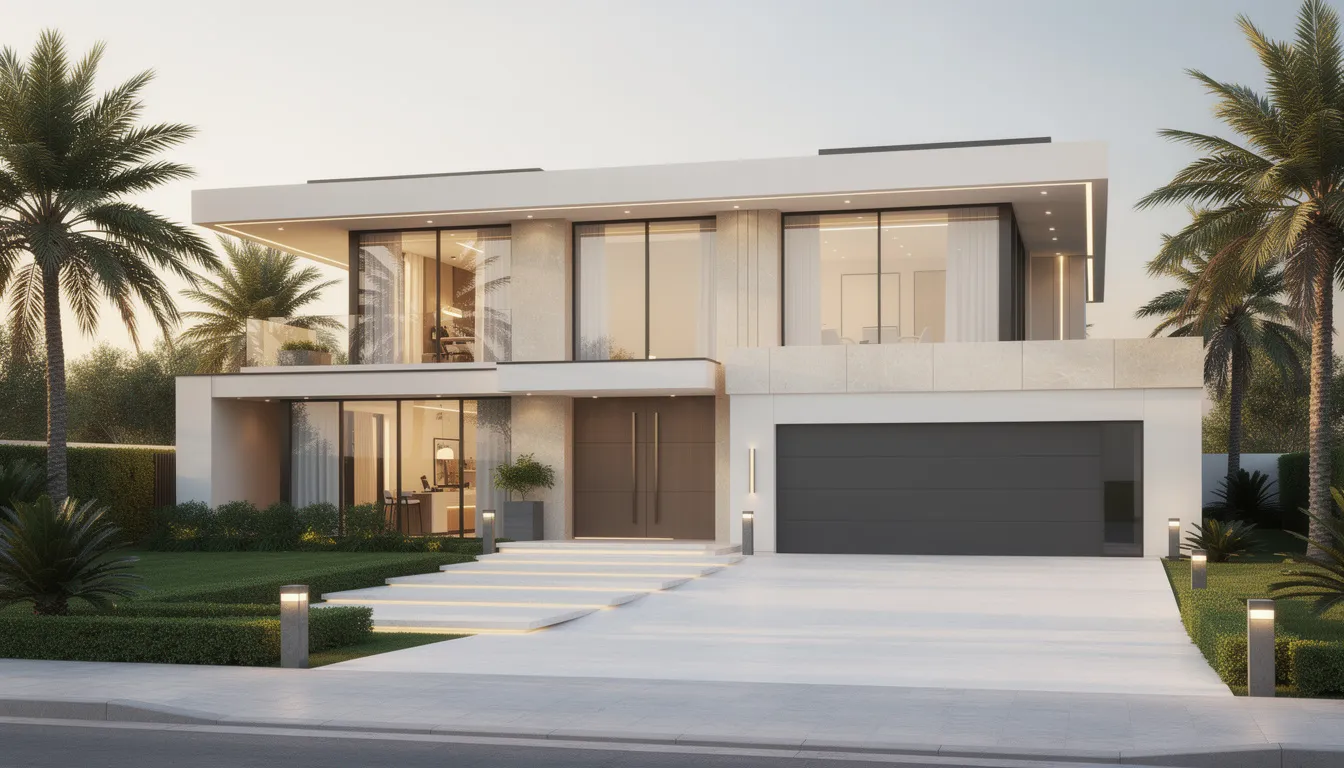
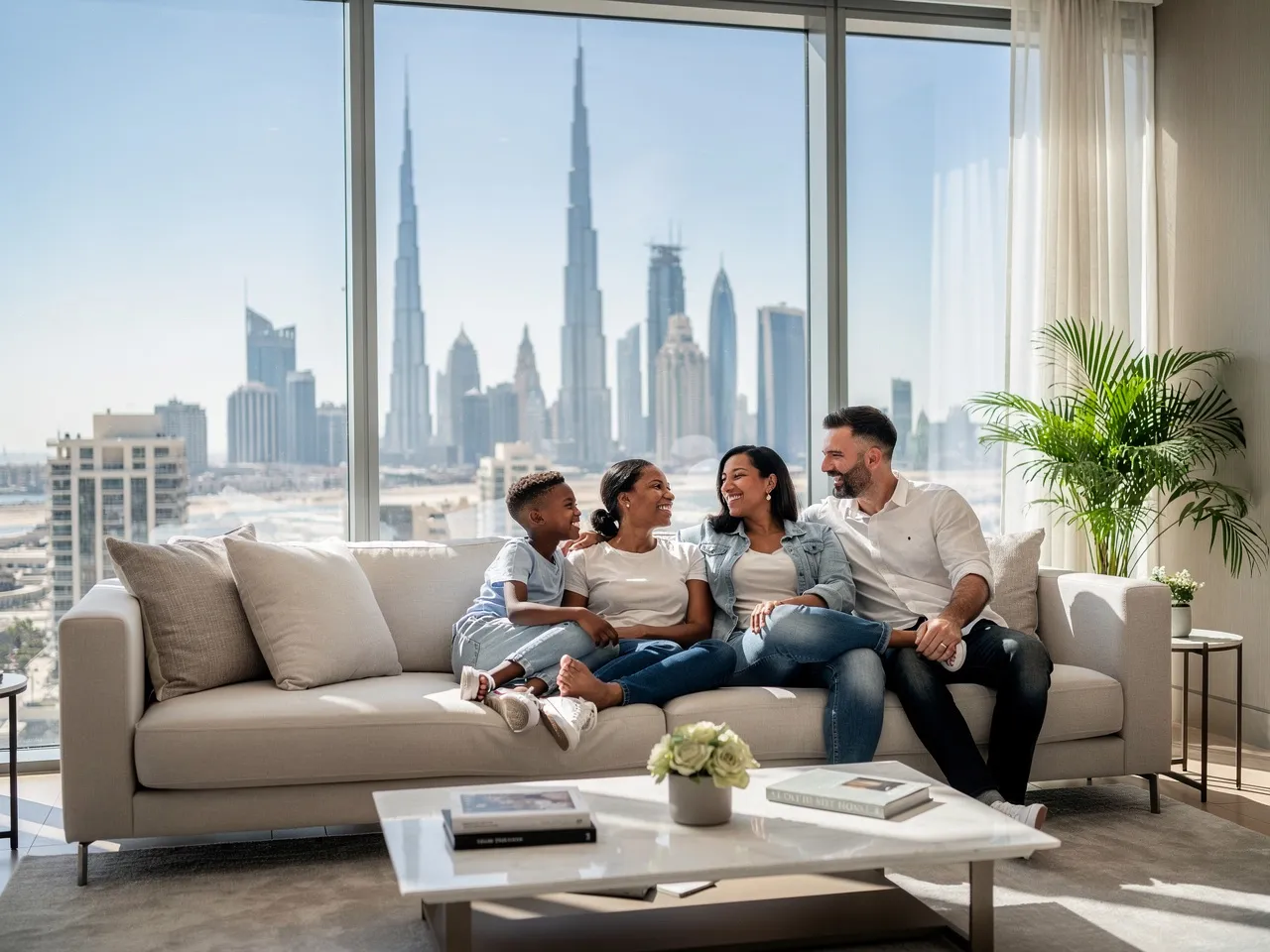
Dubai's climate presents a genuine challenge for homeowners. Summer temperatures regularly exceed 45°C, and direct solar exposure through untreated glass can make indoor spaces uncomfortable, drive up cooling costs, and cause lasting damage to furniture and flooring. Residential window tinting is one of the most practical investments a homeowner in Dubai can make to address all three of these problems at once.
- Heat Rejection: High-performance window films block a significant portion of solar heat before it passes through the glass, reducing the workload on your air conditioning system and making rooms noticeably cooler during peak afternoon hours.
- UV Protection: Dubai's intense sunlight carries high levels of ultraviolet radiation. Quality window films filter out the UV rays that fade fabrics, discolour timber flooring, and degrade artwork — protecting your interior investment without darkening your rooms.
- Privacy Without Sacrificing Light: Certain film types allow natural daylight to flow in freely while limiting the view from outside, giving ground-floor and street-facing rooms a greater sense of privacy during the day.
- Glare Reduction: Reflected glare off neighbouring buildings and open desert terrain is a common complaint in Dubai homes. Window films reduce eye strain, making living areas and home offices far more comfortable to use throughout the day.
- Added Security: Safety-grade films hold shattered glass together in the event of an impact, reducing the risk of injury and making forced entry more difficult.
Beyond the home environment, our team also handles Automotive window tinting, Paint Protection Film (PPF) installation, Car vinyl wrapping, Automotive upholstery and seat restoration, Marine upholstery, Custom tent and tarpaulin manufacturing, and Smart glass and switchable glass installation — so whether you need protection for your property or your vehicle, you can work with a single specialist team.
Our Range of Residential Window Films
Choosing the right film for your home windows in Dubai means understanding how each type performs under the region's intense sun and heat. Our residential film range covers three core categories, each engineered for a specific outcome.
- Solar Control Films: These films are designed to block a significant portion of solar heat and glare before it enters your living spaces. They work by reflecting and absorbing infrared radiation, keeping rooms cooler without reducing natural daylight to uncomfortable levels. Ideal for south- and west-facing windows that bear the brunt of afternoon sun in the UAE.
- Safety and Security Films: Thicker than standard solar films, safety films hold shattered glass together on impact. This adds a meaningful layer of protection against accidental breakage, forced entry, and wind-driven debris during sandstorms — a practical concern for Dubai homeowners.
- Decorative and Privacy Films: Frosted, patterned, and one-way mirror films let you control sightlines from the street or between rooms without blocking light entirely. They are a popular choice for bathrooms, ground-floor living areas, and partition glass inside the home.
Our installation team applies the same precision-focused approach across all film types. Just as our craft in Paint Protection Film (PPF) installation demands careful surface preparation and bubble-free application, home window film work follows an equally rigorous process — clean glass, measured cuts, and a finish that sits flush with every frame edge. We also serve clients who need automotive window tinting, car vinyl wrapping, automotive upholstery and seat restoration, marine upholstery, custom tent and tarpaulin manufacturing, and smart glass and switchable glass installation, so our technicians bring cross-discipline material knowledge to every residential project.
When selecting a film grade, consider your primary goal: heat reduction, privacy, safety, or aesthetics. Our team can walk you through film specifications — including visible light transmission percentages and heat rejection ratings — so you make an informed decision before any work begins.
The Window Tinting Process for Homes
Understanding what happens during a professional home window film installation helps you plan around it with confidence. The process is methodical, clean, and designed to cause minimal disruption to your household routine — much like the precision-focused approach applied across other specialist services such as Car vinyl wrapping, Paint Protection Film (PPF) installation, and Automotive window tinting.
- Site Assessment and Measurement: A technician visits your property to assess each window's dimensions, orientation, and existing glazing type. South- and west-facing windows in Dubai typically receive the most solar load, so this step ensures the correct film grade is selected for each pane rather than applying a one-size-fits-all solution.
- Film Selection and Confirmation: Based on the assessment, you confirm your preferred film — whether solar control, safety, or decorative. The technician explains the performance difference between options so you make an informed choice before any material is cut.
- Surface Preparation: Each glass pane is thoroughly cleaned to remove dust, grease, and residue. Any contamination left beneath the film causes bubbling over time, so this stage is treated with the same care described in the brand's own standard: precision installation, premium films, and finishes that transform and safeguard.
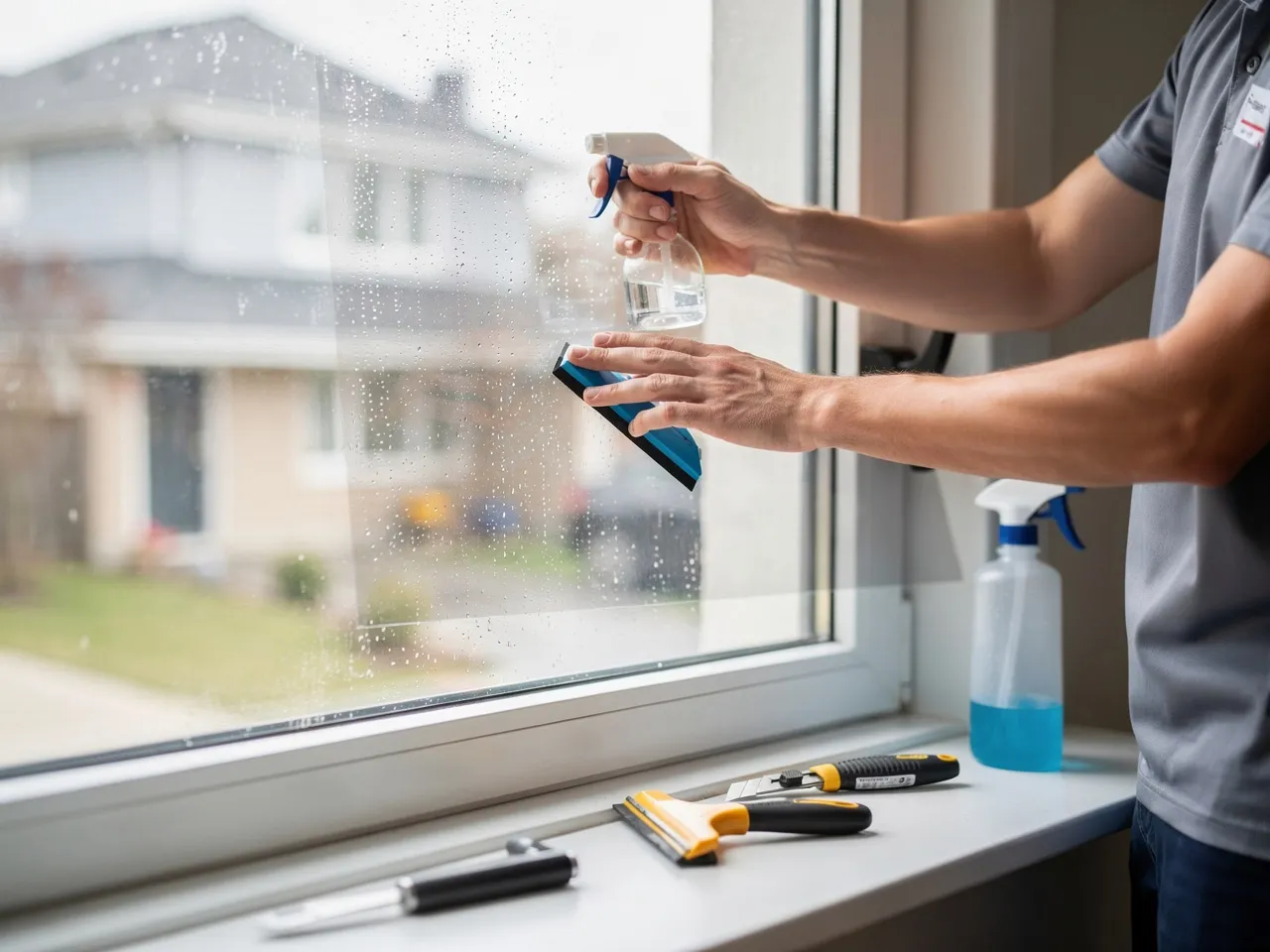
- Film Cutting and Application: Film is cut to exact measurements, applied with a slip solution, and squeegeed flat to eliminate air pockets. Edges are trimmed cleanly so the finished result is flush and unobtrusive.
- Curing and Final Inspection: Most films require a short curing period — typically a few days — during which minor haziness may appear before the adhesive fully bonds. A final walkthrough confirms even coverage, clean edges, and no visible defects.
The entire installation for a standard room is usually completed within a few hours, leaving your home tidy and your windows performing immediately.
Key Benefits: Heat Control & Energy Savings
Dubai's climate puts relentless pressure on home cooling systems. South and west-facing windows can allow solar heat to push indoor temperatures well above comfortable levels, forcing air conditioning units to work harder and longer throughout the day. Professionally installed residential window films act as a thermal barrier, intercepting solar energy before it passes through the glass and heats your living spaces.
High-performance solar control films are engineered to reject a significant portion of solar heat gain. The practical result is a more stable indoor temperature throughout the day, with noticeably fewer spikes in the afternoon when the sun is at its strongest. Rooms that were previously uncomfortable during peak hours become usable again without cranking the thermostat lower.
From an energy perspective, reducing the load on your air conditioning directly translates to lower electricity consumption. Over a full Dubai summer, that reduction compounds into meaningful savings on utility bills. Window film is therefore one of the more cost-effective home upgrades available, particularly when compared with structural changes like adding external shading or replacing glazing entirely.
It is worth noting that the same precision-focused approach applied to Automotive window tinting — where films must perform consistently under intense UAE sun — carries directly into residential installations. Films selected for homes are rated for long-term solar performance, meaning heat rejection does not degrade noticeably over the years.
- Reduced solar heat gain: Films intercept infrared radiation before it enters the room, keeping surfaces and air cooler.
- Lower air conditioning demand: A cooler baseline temperature means your AC cycles less frequently and runs for shorter periods.
- Consistent comfort: Rooms maintain a more even temperature from morning to evening, reducing hot spots near glass.
- Long-term savings: Energy cost reductions accumulate across every billing cycle, improving the return on your installation investment.
- Reduced strain on HVAC equipment: Less demand means less wear, potentially extending the service life of your cooling system.
When evaluating window film options for your home, ask your installer for the solar heat rejection rating of each film they recommend. That single figure gives you a reliable basis for comparing products and estimating the energy impact before committing to an installation.
Enhanced Privacy and Security
One of the most practical reasons Dubai homeowners invest in residential window films is the ability to control visibility into their living spaces — without sacrificing the natural light that makes a home feel open and welcoming. Daytime privacy films work by reflecting external views while still allowing interior light to flow freely, so your rooms stay bright even as outside observers see only a mirrored surface.
This balance — privacy without darkness — is especially valuable in villa communities and apartment buildings where windows face shared walkways, neighbouring properties, or busy streets. You choose the level of opacity that suits each room, from a subtle tint on a bedroom window to a stronger film on a ground-floor living area.
Beyond privacy, window films add a meaningful layer of physical security. Standard glass, once broken, scatters dangerous shards. A safety and security film holds the glass fragments together on impact, slowing forced entry and reducing injury risk during accidental breakage or a storm. This bonding effect gives intruders less immediate access and buys critical extra seconds.
Our installation team applies the same attention to detail here that runs through every service we offer — from Automotive upholstery and seat restoration and Automotive window tinting to Paint Protection Film (PPF) installation, Car vinyl wrapping, Marine upholstery, Custom tent and tarpaulin manufacturing, and Smart glass and switchable glass installation. Precision matters whether the surface is a car seat, a boat interior, or a floor-to-ceiling home window.
- Daytime privacy: Reflective films block outside views during daylight hours while keeping interiors naturally lit.
- Night-time options: Frosted and decorative films provide around-the-clock privacy for bathrooms, entryways, and street-facing rooms.
- Shatter retention: Safety films hold broken glass in place, reducing both injury risk and the ease of forced entry.
- Layered protection: Films can be combined — solar control plus safety — so you address heat, UV, privacy, and security in a single installation.
When selecting a film for security purposes, ask about thickness ratings and adhesive strength. Thicker films — typically 4 mil and above — offer greater shatter resistance, while standard decorative films prioritise aesthetics. A site assessment helps match the right product to each window's exposure and risk profile.
Protecting Your Interiors
Dubai's intense sunlight does more than raise indoor temperatures — it silently degrades the furnishings, flooring, and artwork inside your home. Ultraviolet radiation is the primary culprit behind faded sofas, bleached hardwood floors, and discoloured curtains. Quality residential window films block a significant portion of UV rays before they ever reach your interior surfaces, extending the life of everything the sun touches.
Consider how much you invest in a well-appointed home. Upholstered furniture, in particular, is vulnerable: fabric dyes break down under prolonged UV exposure, leaving cushions and chairs looking worn long before their structural life ends. The same principle applies in marine environments — professionals who work in Marine upholstery understand that UV degradation is one of the timely ways to shorten the lifespan of any fabric or leather surface exposed to direct light. The same logic holds indoors in a sun-drenched city like Dubai.
Window films create a consistent protective barrier across every glazed surface in your home. Key interior assets that benefit include:
- Hardwood and laminate flooring — reduced UV exposure slows the graying and warping that sun-facing rooms typically experience within a few years.
- Upholstered furniture and rugs — fabric colours stay truer for longer, reducing the frequency of costly replacements.
- Artwork and framed photography — pigments in prints and paintings are especially sensitive to UV light; a protective film acts like a permanent, invisible shield across your windows.
- Wooden cabinetry and shelving — surface finishes retain their depth and sheen rather than chalking or yellowing prematurely.
Choosing the right film specification matters. Solar control films vary in their UV rejection ratings, so discussing your room orientation and glazing type with a specialist ensures you select a product matched to your actual exposure levels. A south- or west-facing living room in Dubai demands a higher-performance film than a shaded north-facing bedroom. Getting this detail right from the start means your interiors stay protected without any compromise to natural light or your view.
Trusted Specialists in Dubai
Choosing the right team for home window film installation means looking beyond a single service. Ferrari Works brings a disciplined, craft-focused approach to every residential project — the same precision that guides their Paint Protection Film (PPF) installation, Car vinyl wrapping, and Automotive window tinting work is applied directly to home film fitting. That consistency matters when you want clean edges, bubble-free surfaces, and films that perform for years in Dubai's demanding climate.
The team's portfolio spans a wide range of specialist services, including Automotive upholstery and seat restoration, Marine upholstery, Smart glass and switchable glass installation, and even Custom tent and tarpaulin manufacturing — a breadth that reflects genuine technical versatility rather than a narrow focus on one trade. When a company can fabricate and install across such varied materials and environments, their understanding of film adhesion, surface preparation, and long-term durability runs deep.
For homeowners in Dubai, that local experience translates into practical advantages: familiarity with the specific glass types common in UAE residential buildings, knowledge of how intense summer heat affects film performance, and the ability to recommend the right product for each window orientation. Ferrari Works treats vehicle protection as a craft — precision installation, premium films, and finishes that transform and safeguard, and that same standard carries into every home tinting consultation and installation they undertake.
- Consistent installation standards across all service categories
- Hands-on knowledge of UAE building materials and climate conditions
- A single, accountable team from site assessment through to final inspection
- Transparent Services & Pricing so you can plan your project with confidence
Frequently Asked Questions About Home Window Tinting
Homeowners in Dubai often have practical questions before committing to a residential tinting project. The answers below cover the most common concerns so you can plan with confidence.
- How long does installation take? Most residential jobs are completed within a single day. Larger villas with many windows may require two visits, but our team schedules work to minimise disruption to your household routine.
- Will the film affect my view or natural light? No. Modern solar-control films are engineered to reduce heat and glare while preserving clear outward visibility and a bright interior. You keep the light; you lose the harsh glare.
- Is window film suitable for all glass types? Films are compatible with standard float glass, double-glazed units, and tempered glass. Our specialists assess each pane before recommending a product to avoid stress fractures or warranty issues.
- What is the difference between standard film and Smart glass and switchable glass installation? Standard film is a permanent or semi-permanent layer applied to existing glass. Smart glass and switchable glass installation involves electronically controlled glazing that transitions from transparent to opaque on demand — ideal for boardrooms, bathrooms, or feature walls where instant privacy is a priority.
- How do I clean tinted windows? Use a soft microfibre cloth and a mild, ammonia-free cleaner. Avoid abrasive pads that can scratch the film surface. Most quality films carry a manufacturer scratch-resistance coating.
- Does tinting void my window warranty? This depends on the original glazing manufacturer. We advise clients to check their window warranty terms before installation and can provide product data sheets to assist that review.
- How long does residential window film last? High-grade films installed under Dubai's climate conditions typically perform well for ten years or more when maintained correctly. Fading, peeling, or bubbling before that point is usually a sign of low-quality film or poor surface preparation.
- Can I combine window tinting with other protective services? Absolutely. Many clients who invest in home tinting also enquire about Paint Protection Film (PPF) installation for their vehicles, Car vinyl wrapping, Automotive window tinting, Automotive upholstery and seat restoration, Marine upholstery, and Custom tent and tarpaulin manufacturing — all services available under one roof for straightforward project coordination.
Have a question not listed here? Contact our team directly for a no-obligation consultation and a transparent quote tailored to your property.
Frequently Asked Questions
This section explains Frequently Asked Questions in practical steps so a visitor can decide what to do next.
Ready when you are
Get a Free Quote for Your Home Window Tinting Today!